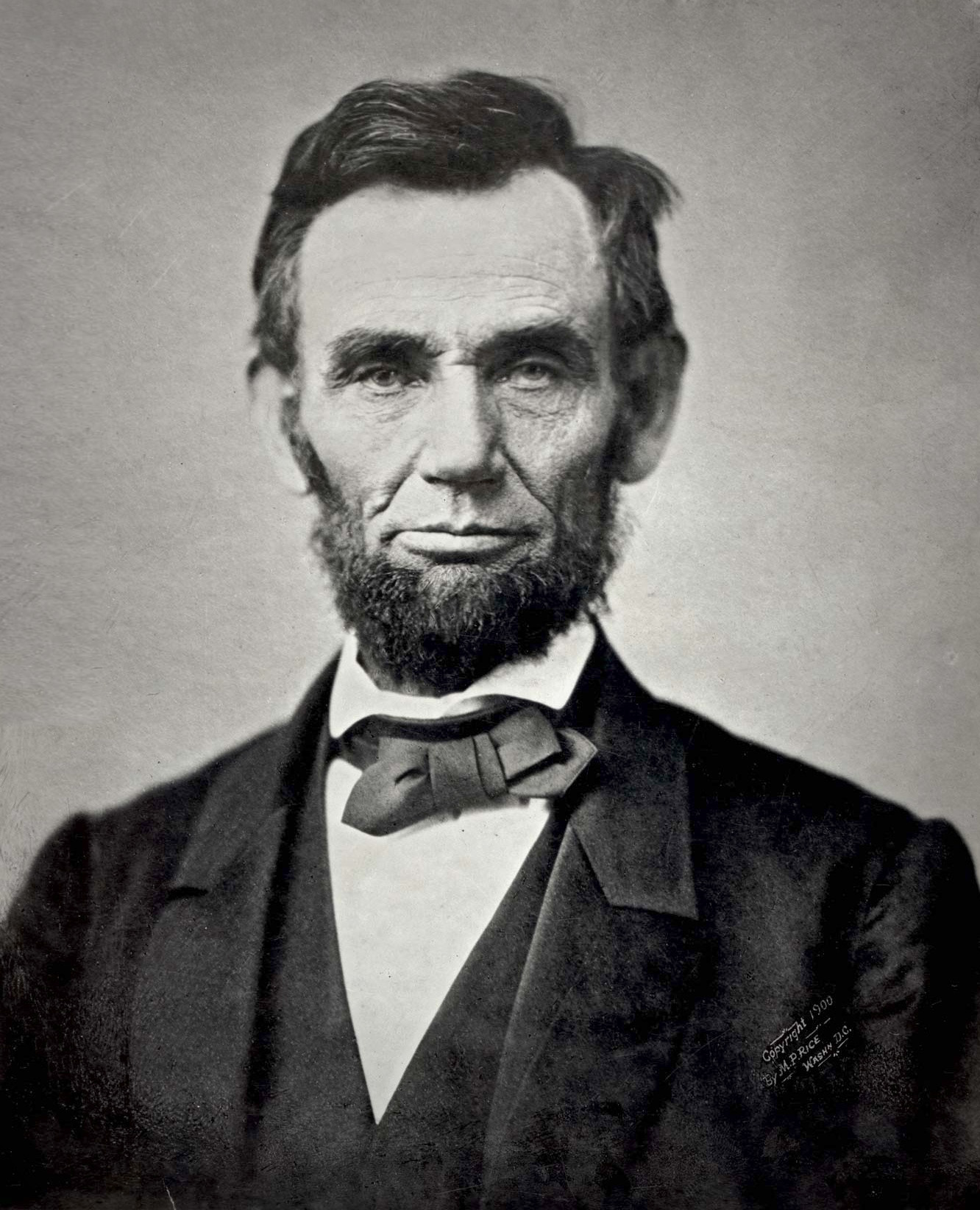
A speech in its historical setting
Lincoln spoke at the dedication of a national cemetery during the American Civil War. The occasion required more than a conventional commemorative address. His remarks connected remembrance with the larger question of whether a political community founded on liberty could endure. Rather than treating the ceremony as the end of a story, he framed it as a responsibility for those who remained.
“government of the people, by the people, for the people”Abraham Lincoln · 1863
The closing phrase
The celebrated closing passage presents government as something grounded in the people. Its force comes from the repeated pattern of three short phrases. Each phrase points toward a different aspect of the relationship between citizens and authority: ownership, participation and purpose. The repetition makes the idea memorable without reducing the political challenges of the period to a simple formula.
Read the full document
Several manuscript versions of the Gettysburg Address survive, and their wording and punctuation are not identical. The Library of Congress preserves and transcribes important copies. A responsible quotation should specify which version it follows; this library uses the standard inscription text for the closing phrase and links directly to the source.
Why context matters today
A phrase about self-government is not evidence for every argument to which it is later attached. Its history encourages readers to ask who participates, how power is held accountable and how institutions protect the people they serve. Studying the speech is a way to understand both the power and the limits of political language.