Rights · 1857
“If there is no struggle, there is no progress.”
Frederick Douglass
West India Emancipation speech. The connection between effort and political change.
Words that shaped the world
Read important political addresses through their words, their historical settings and their original sources.
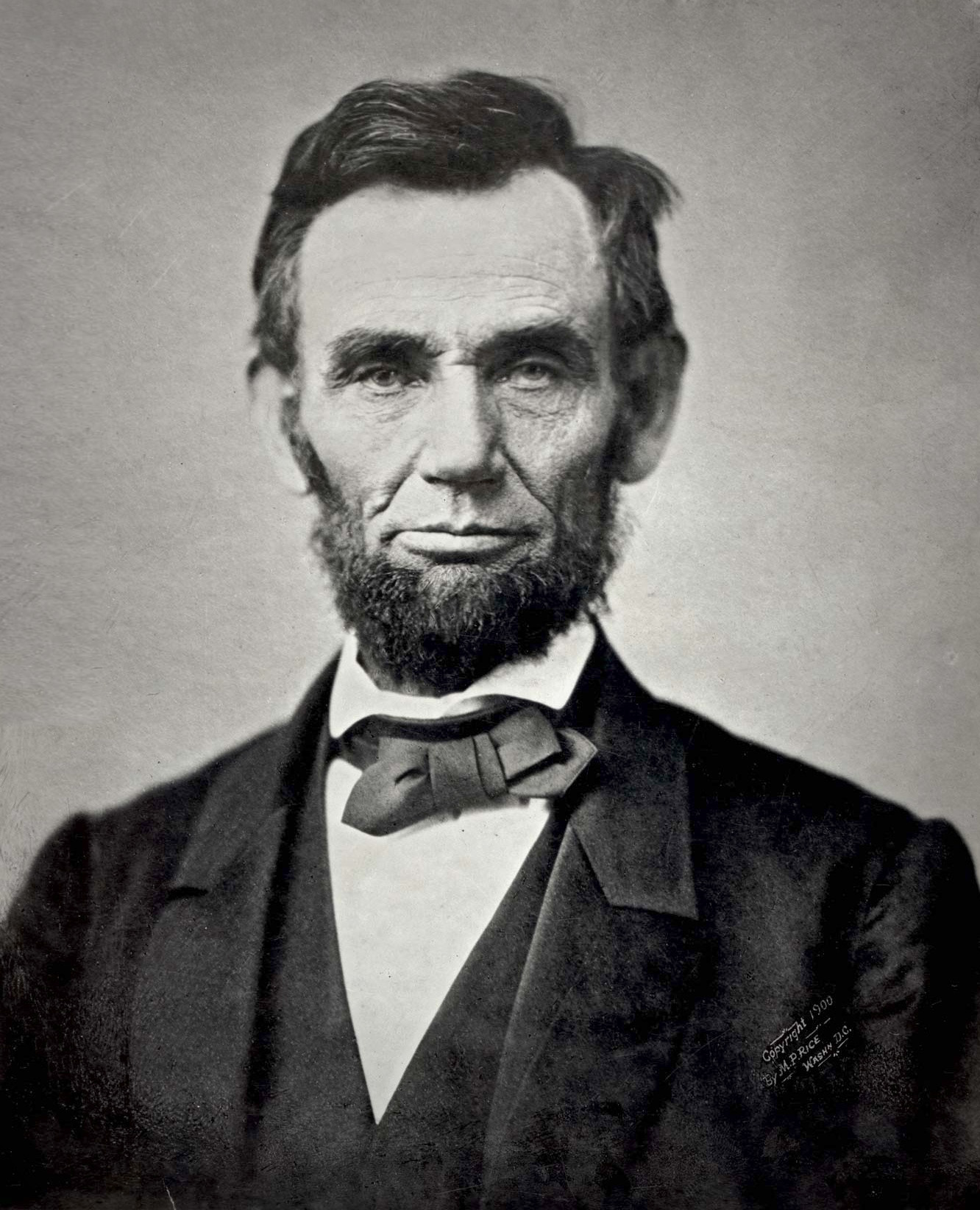
Archive image: Alexander Gardner, 1863 · Public domain
In November 1863, Lincoln used a brief commemorative address to reflect on the purpose and durability of democratic government. Study the language of its closing phrase and the historical setting in which it was delivered.
Read the storyExplore original statements and their contexts.
“If there is no struggle, there is no progress.”
West India Emancipation speech. The connection between effort and political change.
“Ask not what your country can do for you — ask what you can do for your country.”
Inaugural Address, 20 January 1961. A call to civic participation and service.
“I have cherished the ideal of a democratic and free society”
Statement from the dock at the Rivonia Trial, 20 April 1964; excerpt from the prepared statement.
A short sentence from 1857 opens a larger conversation about reform, participation and responsibility.
A practical guide to checking the speaker, source, date and context before sharing political language.
From constitutional language to public speeches, words shape the relationship between people and institutions.


